
From Reactive Risk Management to Anticipatory Leadership
For 3.8 billion years, nature has run the only real-world test of resilience there is. Surviving systems have learned to sense change, adapt in real time and renew. Give your leaders a day inside that risk intelligence.
In a world that moves non-linearly, static models break. That's why your leaders must be able to read weak signals, adapt quickly and make decisions that hold inside complex, changing environments.
This immersive executive education experience translates nature's intelligence into leadership instinct. Redirected from reactive risk management, leaders can anticipate change, navigate uncertainty and act with strategic intent.
- Who it's for
- Leaders and leadership teams
- Duration
- One immersive day
- Format
- In-person — open intake or in-house for your team
- Price
- Based on client scope and size of team
Experience overview
Move beyond managing risk, to sensing what's changing.
Learn from systems that have already survived uncertainty.
Build leadership instinct for whatever comes next.
Inviting Leaders to Think Like Ecosystems
Biomimicry is the study of how nature has solved complex problems over billions of years — and the application of those principles to human systems, design and decision-making.
It guides leaders to apply the intelligence of living systems to leadership, risk, strategy and resilience, so their organisations can sense, adapt, collaborate and regenerate in the face of complexity.
The experience shifted how I think about leadership, learning, and the way we develop people for real organisational impact.Bonolo Dikgole — L&D Consultant, First Rand

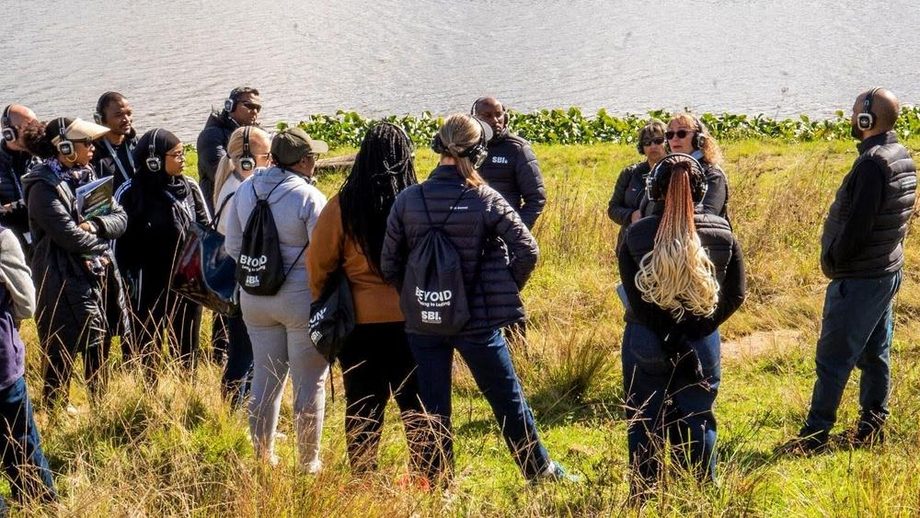
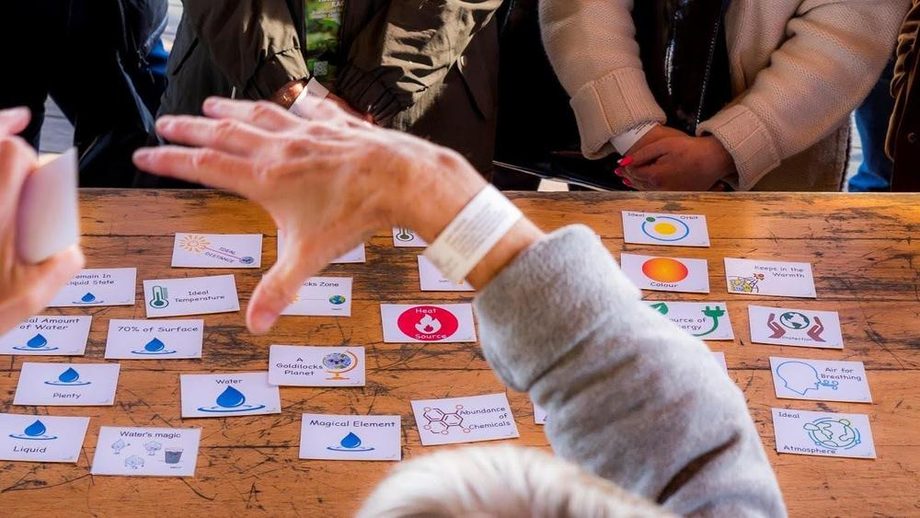
Guided Exploration, Case Work, Debate & Discussion
Study nature's time-tested strategies for resilience and adaptation.
Extract principles from living systems into leadership insight.
Use biomimicry thinking to solve real challenges.
Embed the learning into decisions, systems, culture and leadership practice.
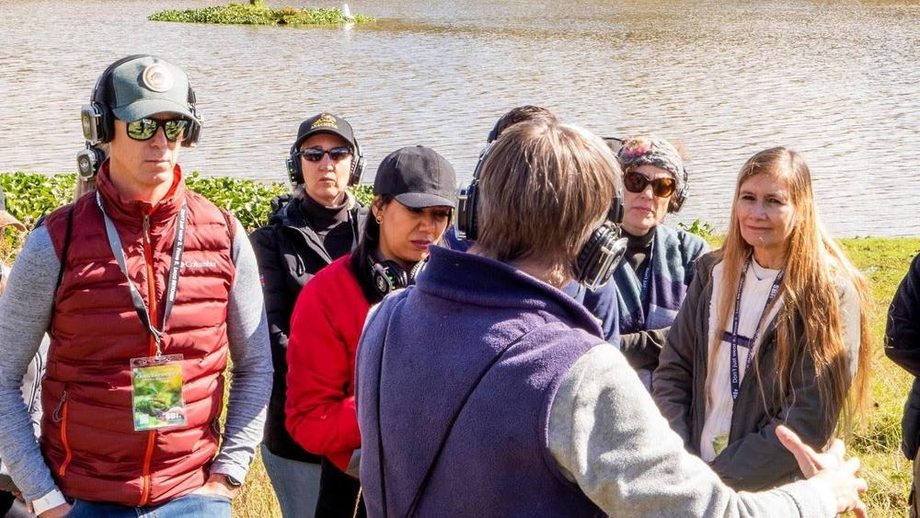
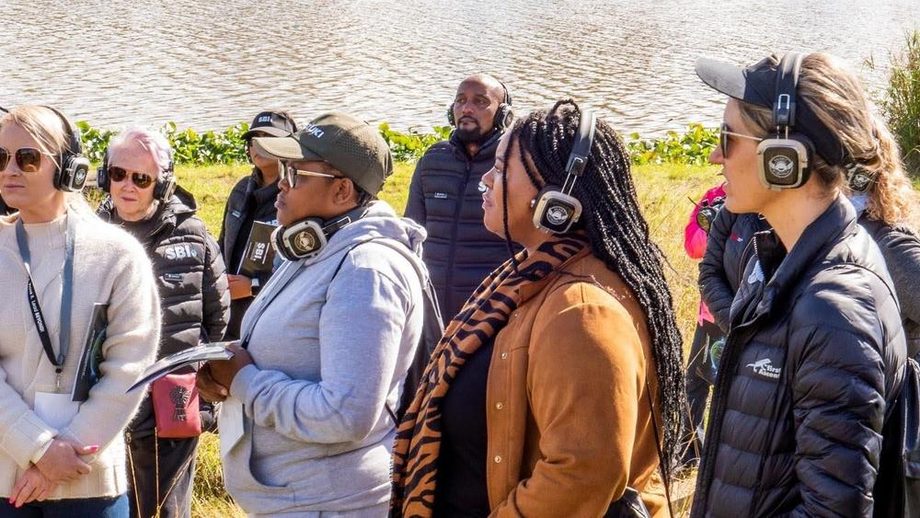
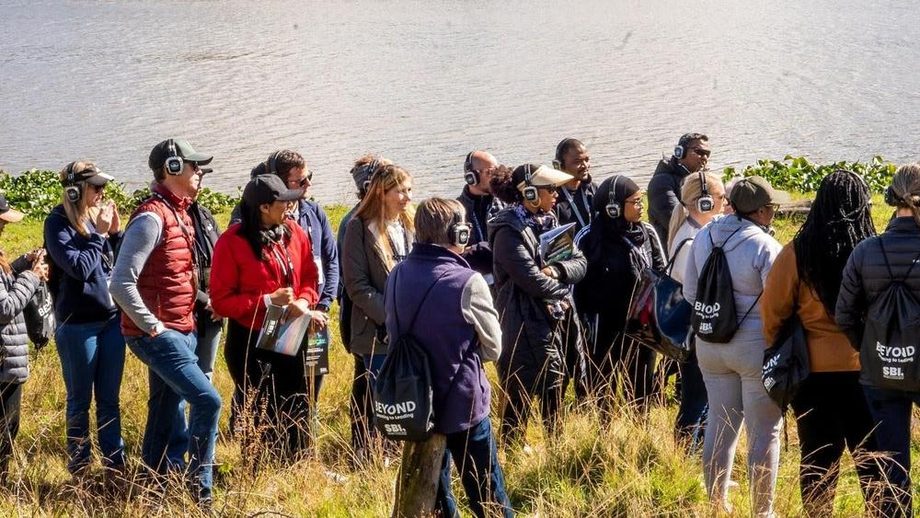
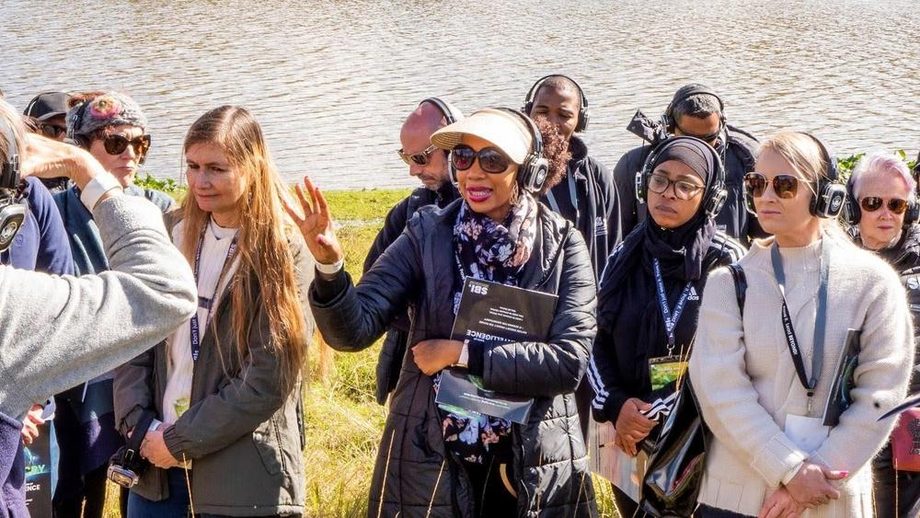
Scroll or swipe to see more →
Anticipatory Leadership Through Nature's Eyes
Leaders learn to spot weak signals and prepare for futures still taking shape — before they arrive.
Leaders learn to work with complexity rather than against it, and to choose well under real pressure.
Leaders learn to translate insight into organisational behaviour, decisions and culture that lasts.
Nature teaches us that the right conditions create thriving. Leaders do the same. We calibrate our radiance to help our teams grow and flourish.Zulaika King — Strategy and Execution Leader, WPP
6 Shifts You Can Expect
What might leadership look like if our organisation worked more like an ecosystem?
Sense Change Early
Build sensitivity to weak signals, emerging conditions and shifts in the wider environment.
Navigate Complexity
Understand how systems behave under pressure; decide within real constraints.
Think in Systems
Recognise interdependence, feedback loops and the relationships that shape outcomes.
Strengthen Resilience
Build adaptive capacity and confidence in uncertainty.
Lead with Agility
Anticipate, pivot and act with clarity when conditions change.
Integrate Better Decisions
Translate insight into real systems, governance, culture and leadership behaviour.


Frequently Asked Questions
01How long is the Biomimicry experience?
Biomimicry is a one-day immersive executive education experience that translates nature's intelligence into leadership instinct.
02Do participants need a science background?
No. Biomimicry guides leaders to apply the intelligence of living systems to leadership, risk, strategy and resilience — no scientific background is required to take part.
03Who is the Biomimicry experience for?
It's designed for leadership teams that want to move from reactive risk management to anticipatory leadership — sensing change early, navigating complexity and deciding well under pressure.
04Can we run Biomimicry for our own team?
Yes. Biomimicry can be brought in-house for your organisation. Speak to our Team to scope an experience for your team.
Lead Through What Comes Next
This is an invitation to move beyond reactive leadership and develop a sharper instinct for what's emerging.